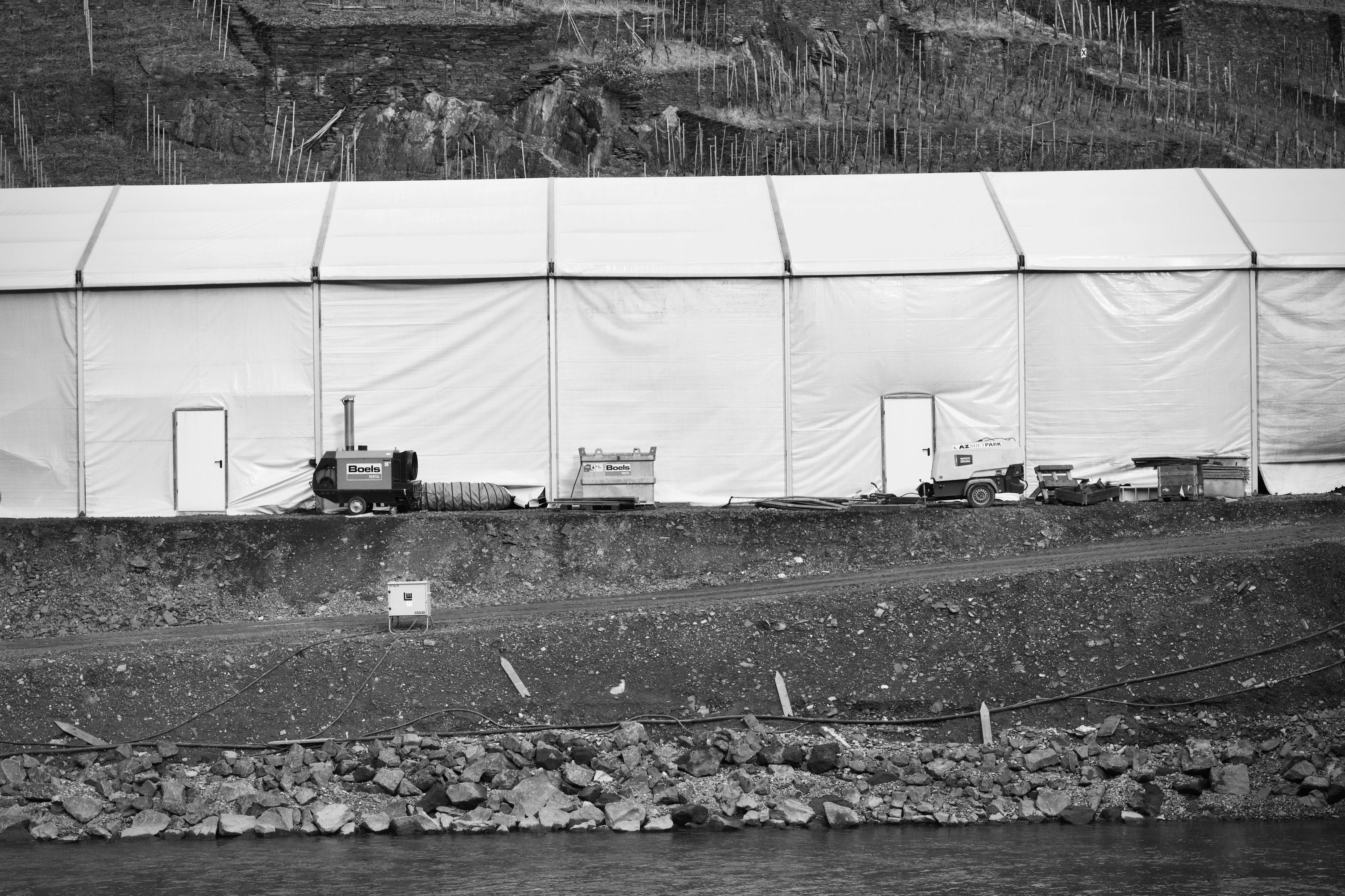
On-Site Cover & Temporary Spaces
Explore temporary tent structures for construction-site activities.
Swipe to explore images
Construction tents are temporary tent structures used on building and infrastructure sites to create covered spaces for day-to-day project activities. They can provide a defined area for work, site coordination, material handling and practical on-site facilities without making a permanent building the only option.
Depending on the project, a tent may be planned as a covered work zone, a place to keep selected materials out of direct exposure, a temporary site office, a workshop or a sheltered area for workers and meetings. The most suitable arrangement depends on how the space will be used and how the construction site operates.
Temporary Site Structures
Construction Tents
A construction tent creates a designated covered area that can support the changing needs of a project. Instead of treating every activity as an outdoor task, site teams can consider whether a separate sheltered space would make a particular part of their work easier to organise.
These temporary structures may be considered for construction work areas, equipment-related tasks, project discussions or activities that benefit from having a clear space set aside. Their purpose is shaped by the project: the same general type of tent can serve different roles when the layout and intended use are planned accordingly.
A useful starting point is to identify what will happen beneath the tent, who needs to access it, what must be accommodated inside and how the space relates to surrounding site operations. These details help establish a practical brief before discussing a suitable arrangement with a supplier.
Practical Project Applications
Construction Tent Uses
Construction tents can be considered for covered work areas, temporary workshops, selected building-material protection, equipment-related activities and site offices. They may also provide a separate place for project meetings, briefings or other coordination tasks that benefit from a dedicated space.
Worker shelter and break areas are another possible use, depending on the project's requirements. Rather than assuming one layout suits every activity, it is helpful to distinguish between work that needs an open operating area, tasks that need room for materials and facilities intended primarily for people.
A temporary tent can offer flexibility when the site layout or project priorities change. Before choosing a solution, discuss the intended use, available ground area, access points, movement of people and equipment, required internal arrangement, expected period of use and any project-specific site requirements with the supplier. These conversations help clarify the space needed without assuming unconfirmed specifications or capabilities.
Discuss Your Project
Request a Quote for Construction Tents
Share your intended use and site requirements to start a conversation about a suitable temporary tent arrangement.